


 Izdanje Srbija
 Serbische Ausgabe
 Izdanje BiH
 Izdanje Crna Gora


 News
News


Source:
eKapija |
Wednesday,
13.06.2018.|
15:13


 LinkedIn
 Email
Email Copy link
Thousands of kilowatts remain in orchards – Production of pellets and briquettes from pruned material may increase price of raspberry by 7%
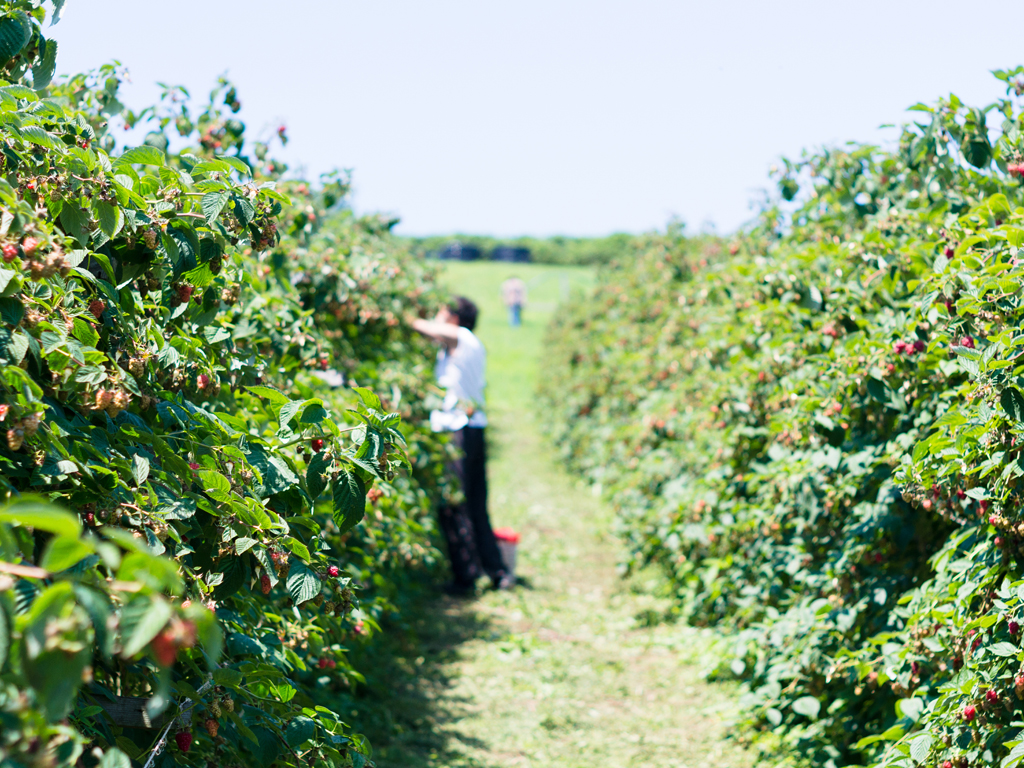
At the beginning of each June, that is, the raspberry picking season, the same question is asked – what the purchasing price will be. These days, raspberry producers from the Prijepolje area blocked the traffic route to Montenegro, demanding the price to be RSD 180 per kilogram. The protest was paused, but will continue, the organizers says, if no agreement is reached with representatives of the ministry about the price of this fruit.
While the negotiations are in progress, Dragojlo Bozic from Uzice is considering expanding the capacities for the production of biomass from the material accumulated from the pruning of raspberry bushes. As experts estimate, mass production of pellets and briquettes from the pruned material would increase the price of the fruit by as much as 7%.
Organic waste
Instead of burning the waste from raspberry orchards, which only pollutes the air, or leaving it to rot and fertilize the soil, Dragojlo Bozic has come up with a way of using it in an efficient and environmentally friendly manner. His idea to make briquettes for heating from this type of waste won the 2016 contest at the Forum for Green Ideas, organized by the Trag Foundation, and he made his first batch of this type of heating material last year.
Dragojlo has one machine for now and produces around 1.5 tons of briquettes a day with it. In order for the production to be more serious and massive, additional investments are needed, both in the equipment and in storage space.
– So far, we've invested around USD 15,000, which we obtained through various projects. In order for us to be able to expand our production, we need to expand our storage capacities primarily. We are still a registered agricultural property, and in order for us to go into this business more seriously, we need to change our registered activity – Bozic told eKapija.
While the negotiations are in progress, Dragojlo Bozic from Uzice is considering expanding the capacities for the production of biomass from the material accumulated from the pruning of raspberry bushes. As experts estimate, mass production of pellets and briquettes from the pruned material would increase the price of the fruit by as much as 7%.
Organic waste
Instead of burning the waste from raspberry orchards, which only pollutes the air, or leaving it to rot and fertilize the soil, Dragojlo Bozic has come up with a way of using it in an efficient and environmentally friendly manner. His idea to make briquettes for heating from this type of waste won the 2016 contest at the Forum for Green Ideas, organized by the Trag Foundation, and he made his first batch of this type of heating material last year.
Dragojlo has one machine for now and produces around 1.5 tons of briquettes a day with it. In order for the production to be more serious and massive, additional investments are needed, both in the equipment and in storage space.
– So far, we've invested around USD 15,000, which we obtained through various projects. In order for us to be able to expand our production, we need to expand our storage capacities primarily. We are still a registered agricultural property, and in order for us to go into this business more seriously, we need to change our registered activity – Bozic told eKapija.
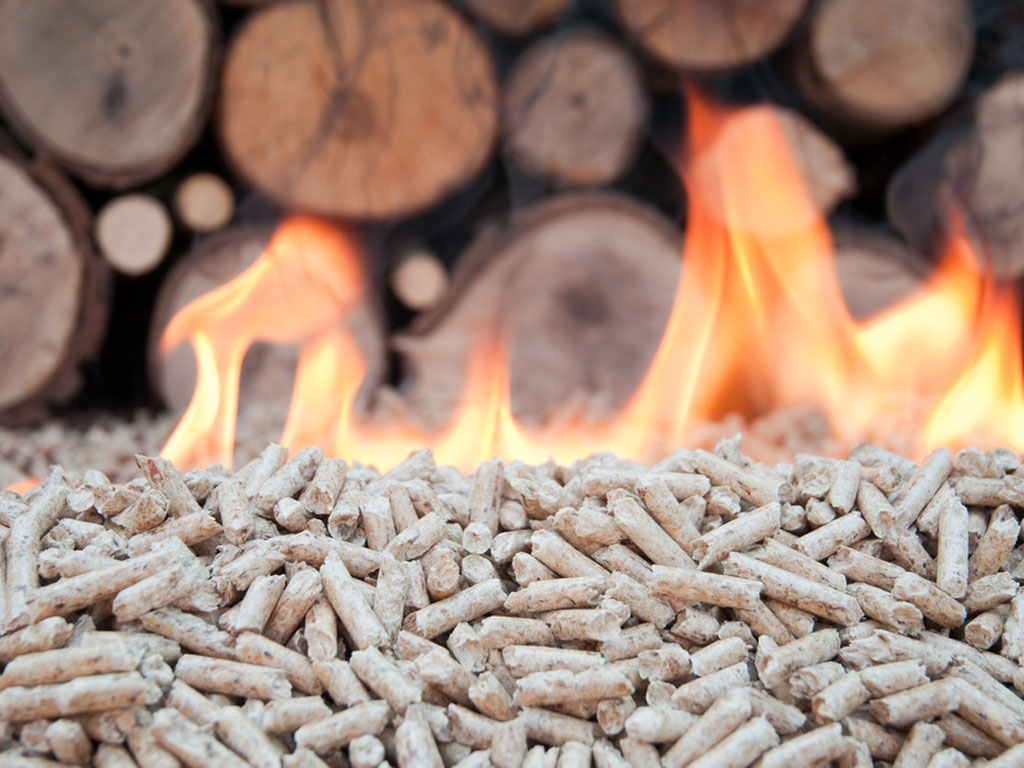
In addition to producing for his own needs, Bozic also produces briquettes and pellets for sale. Last year, he says, he sold around 50 tons at the price of EUR 120 per ton.
The raw material comes from his own orchard, but he also purchases it from other raspberry producers, while many let him have it for free. In the latter case, the only expense is the transportation of the pruned material, and he says that it often happens that owners deliver the material themselves.
As our interviewee explains, the production of one ton of briquettes requires around 100 kilowatts of electricity. Once all expenses are taken into consideration, Dragojlo is making a profit.
Up to two tons of biomass from one hectare
That this idea is profitable is also confirmed by Srecko Curcic, a professor at the Faculty of Technical Sciences in Cacak. According to him, the caloric value of this type of heating material is equal to the caloric value of briquettes and pellets from oak and beech.
– Serbia is not using this energy source for the production of biomass enough. One hectare under raspberry produces around 10 cubic meters of pruning material. One cubic meter weighs around 150-200 kilograms, which means that a hectare under raspberry can get one 1,500 to 2,000 kilograms of biomass – Curcic explains for eKapija.
According to him, there are no exact data, but it is estimated that there are around 15,000 hectares under raspberry in Serbia.
– In addition to raspberry, one should also mention the waste from the pruning of blackberries, which is up to three times larger, that is, one cubic meter weighs between 300 and 500 kilograms – says Curcic, who has also developed his own technology for the making of briquettes from raspberries and blackberries, as well as from industrial cannabis.
The raw material comes from his own orchard, but he also purchases it from other raspberry producers, while many let him have it for free. In the latter case, the only expense is the transportation of the pruned material, and he says that it often happens that owners deliver the material themselves.
As our interviewee explains, the production of one ton of briquettes requires around 100 kilowatts of electricity. Once all expenses are taken into consideration, Dragojlo is making a profit.
Up to two tons of biomass from one hectare
That this idea is profitable is also confirmed by Srecko Curcic, a professor at the Faculty of Technical Sciences in Cacak. According to him, the caloric value of this type of heating material is equal to the caloric value of briquettes and pellets from oak and beech.
– Serbia is not using this energy source for the production of biomass enough. One hectare under raspberry produces around 10 cubic meters of pruning material. One cubic meter weighs around 150-200 kilograms, which means that a hectare under raspberry can get one 1,500 to 2,000 kilograms of biomass – Curcic explains for eKapija.
According to him, there are no exact data, but it is estimated that there are around 15,000 hectares under raspberry in Serbia.
– In addition to raspberry, one should also mention the waste from the pruning of blackberries, which is up to three times larger, that is, one cubic meter weighs between 300 and 500 kilograms – says Curcic, who has also developed his own technology for the making of briquettes from raspberries and blackberries, as well as from industrial cannabis.
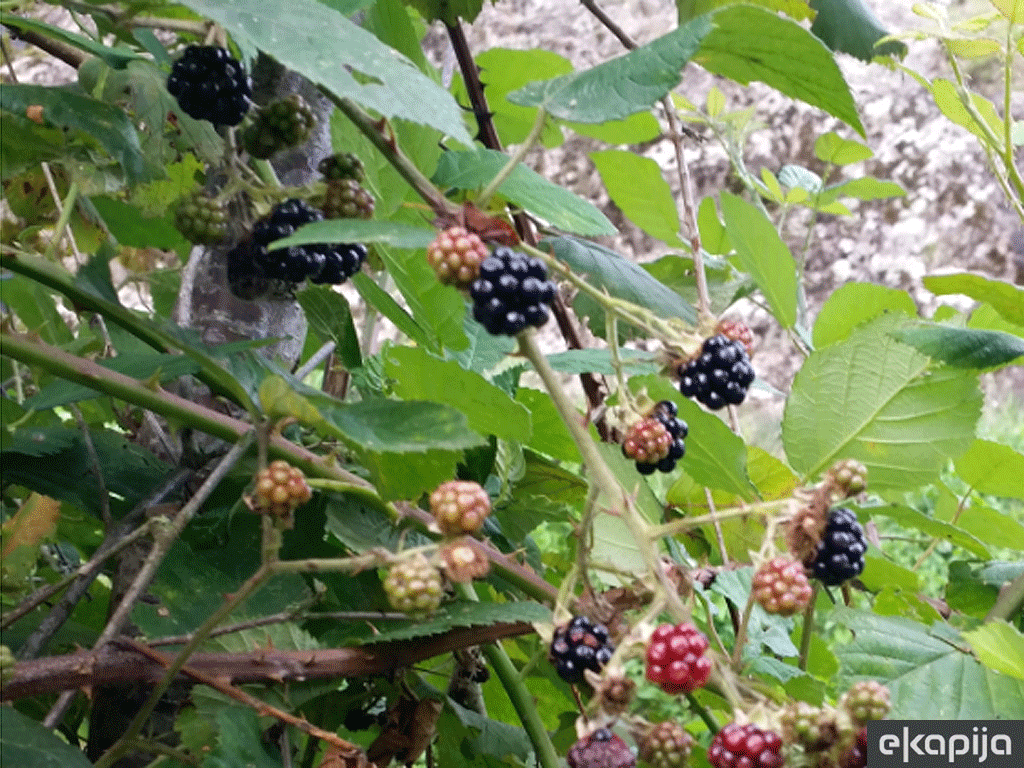
The usage of raspberry pruned material for the making of biomass would influence the purchasing price of the fruit, Curcic believes. As he says, if biomass from this waste were mass produced, the price of raspberry would be 7% higher.
Still, individual production and individuals like Dragojlo Bozic are not enough for the usage of this organic energy source to become more mass-accepted, Curcic believes and adds that this would require a systemic approach.
– Waste is either burned or left to rot and huge amounts of energy are lost this way. This is the case with all other fruit as well. Considering the number of plantations in our country, we can only imagine how much energy is lost – our interviewee adds.
The waste produced by pruning is used by households for heating and barbecuing, but its potential is rather underused, Aleksandar Peric of the Chamber of Commerce of Serbia agrees.
There are no precise data on how many plantations there are in Serbia, but he explains that around 1.5 kilograms of pruned material is needed for a kilowatt of installed power. As Peric adds, the amount of pruning waste per fully grown tree is around 7 kilograms.
In addition to pruned material from fruit, branches left in forests after the cutting down of trees for heating can also be used for the production of biomass, that is, pellets and briquettes. However, they too are mostly left to rot.
K.S.
Still, individual production and individuals like Dragojlo Bozic are not enough for the usage of this organic energy source to become more mass-accepted, Curcic believes and adds that this would require a systemic approach.
– Waste is either burned or left to rot and huge amounts of energy are lost this way. This is the case with all other fruit as well. Considering the number of plantations in our country, we can only imagine how much energy is lost – our interviewee adds.
The waste produced by pruning is used by households for heating and barbecuing, but its potential is rather underused, Aleksandar Peric of the Chamber of Commerce of Serbia agrees.
There are no precise data on how many plantations there are in Serbia, but he explains that around 1.5 kilograms of pruned material is needed for a kilowatt of installed power. As Peric adds, the amount of pruning waste per fully grown tree is around 7 kilograms.
In addition to pruned material from fruit, branches left in forests after the cutting down of trees for heating can also be used for the production of biomass, that is, pellets and briquettes. However, they too are mostly left to rot.
K.S.
Only logged-in users can comment.