


 Izdanje Srbija
 Serbische Ausgabe
 Izdanje BiH
 Izdanje Crna Gora


 News


IMF improves outlook for Serbia: Faster economic growth forecast, but inflation expected to rise too

 Comments


(Photo: Kristi Blokhin/shutterstock.com)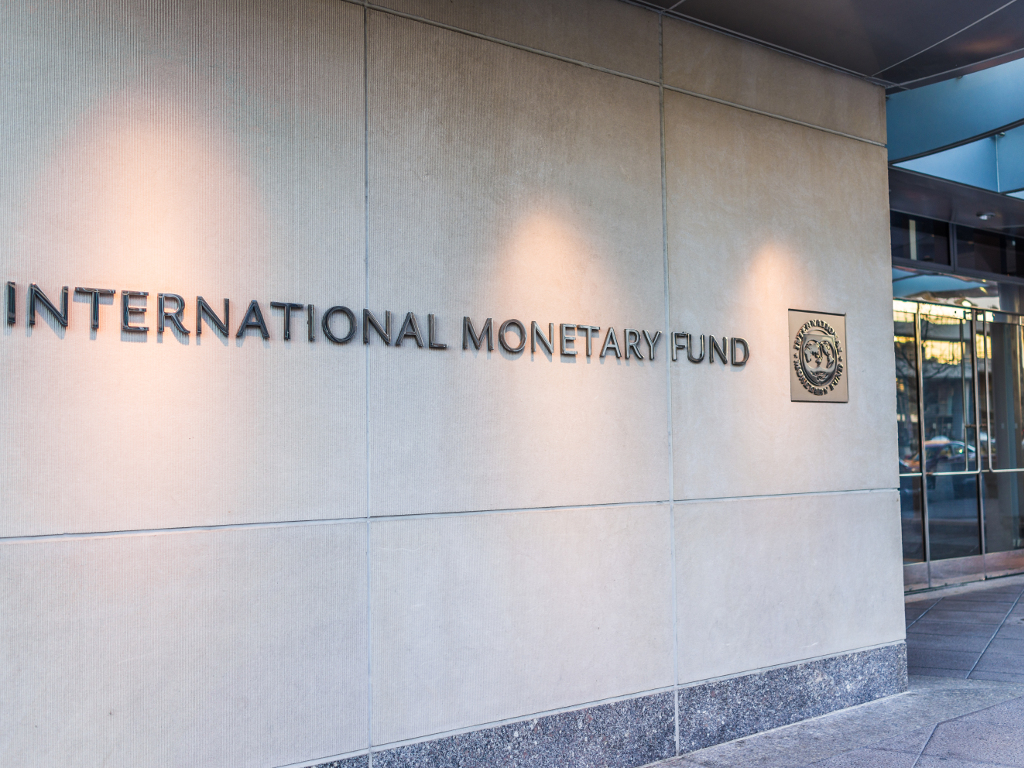
Following a modest growth of 2% in 2025, the outlook for 2026 has shown an upward trend.
In its June report reviewing the current arrangement, the IMF had projected a relatively modest growth of 2.8%, citing geopolitical risks and weaker demand from Germany and Italy.
However, Serbia's GDP grew by 3.2% in the first quarter and 3.6% in the second. Consequently, in August, the National Bank of Serbia raised its forecast to 3.2% for the year, driven by an industrial recovery, the resumption of mass production of electric vehicles in Kragujevac and a strong agricultural season.
The IMF has now gone a step further, raising its estimate to 3.3%, a figure significantly higher than the 1.7% average for emerging European economies, according to the World Economic Outlook.
For 2027, the IMF maintains a more moderate growth projection of 4%, pointing to external uncertainties and higher borrowing costs. On the other hand, the National Bank forecasts GDP growth of 4.5%, counting on the strong boost that EXPO 2027 will provide to the construction sector, tourism and the export of services.
In the medium term, both institutions estimate Serbia's potential growth at around 3.5%.
Summer drop in prices and surge in inflation next year
Consumer price trends in 2026 were marked by a sharp decline during the summer, and driven by lower prices for fruits and vegetables, year-on-year inflation fell to 2.7% in June and 1.9% in July.
Due to this temporary lull, the estimate for average annual inflation for 2026 has been revised downward, from 3.6% in the Fund's June report to 3.2% according to the National Bank and to 3.1% in the IMF’s current report.
However, all three documents indicate that inflation will accelerate in 2027.
In its October report, the IMF projects an average of 4.2%, while the National Bank forecasts 4.3%. Meanwhile, the Fund's June document estimated that price growth would reach 4.4%, the very upper limit of the target range set by our central bank.
The return of inflation to the upper half of the 1.5% to 4.5% target range is attributed to the fact that the impact of this year's favorable agricultural season, which resulted in lower food prices, will "wear off," while price increases will be driven by the cost of imported energy and higher consumption fueled by expected wage growth.


Comments
Your comment
Most Important News
Full information is available only to commercial users-subscribers and it is necessary to log in.
Pratite na našem portalu vesti, tendere, investicione projekte, grantove i pravnu regulativu.
Registracija na eKapiji vam omogućava pristup potpunim informacijama i dnevnom biltenu
Naš dnevni ekonomski bilten će stizati na vašu mejl adresu krajem svakog radnog dana. Bilteni su personalizovani prema interesovanjima svakog korisnika zasebno,
uz konsultacije sa našim ekspertima.