


 Izdanje Srbija
 Serbische Ausgabe
 Izdanje BiH
 Izdanje Crna Gora


 News
News


ECB: Energy crisis the biggest threat to the European economy

 Comments


European Central Bank (Photo: Pixabay.com/Hans)
European economic system shaken
In an interview with the French newspaper La Croix, published on the ECB website, she emphasized that price stability remained a priority for the institution she leads.
– So, the main threat today is the energy crisis related to the conflict in the Middle East. It is clearly weighing on prices, but also on growth – Lagarde said.
She assessed that the European economic model had been shaken because three of its long-standing pillars - cheap energy, particularly from Russia, the vast Chinese market for European exports, and the US security framework, were facing adverse pressures, B92 reports.
According to her, energy supplies from Russia have been cut off, while China is increasingly competing with European companies in advanced technology markets.
Christine Lagarde (Photo: 360b/shutterstock.com)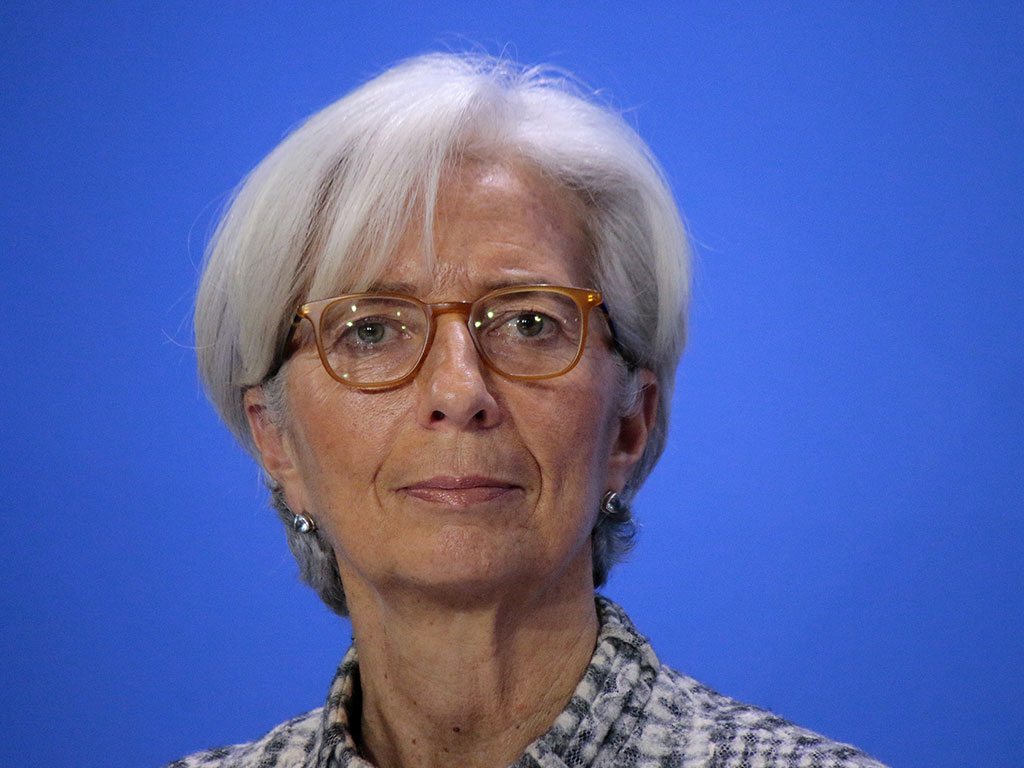
She added that such a situation could necessitate interest rate hikes, which would simultaneously increase financing costs and weigh on economic growth.
ECB adapting to circumstances
According to her, the ECB is data-driven in its monetary policy decision-making and stands ready to adjust its policy in response to changing circumstances.
Lagarde also acknowledged that the central bank had misjudged the energy shock as temporary in 2021 and admitted that, at the time, it had failed to foresee how various crises would become interconnected.
Discussing the economic outlook for the eurozone, Lagarde stated that the ECB expected growth of 0.9% in 2026.
She also highlighted that the European financial system was significantly stronger than it had been during the crises of 2008 and 2011.
Furthermore, Lagarde assessed that European countries needed to deepen the capital markets union in order to channel a greater share of European savings into investments.
Comments
Your comment
Naš izbor



Most Important News
Full information is available only to commercial users-subscribers and it is necessary to log in.
Pratite na našem portalu vesti, tendere, investicione projekte, grantove i pravnu regulativu.
Registracija na eKapiji vam omogućava pristup potpunim informacijama i dnevnom biltenu
Naš dnevni ekonomski bilten će stizati na vašu mejl adresu krajem svakog radnog dana. Bilteni su personalizovani prema interesovanjima svakog korisnika zasebno,
uz konsultacije sa našim ekspertima.