


 Izdanje Srbija
 Serbische Ausgabe
 Izdanje BiH
 Izdanje Crna Gora


 News
News


EP votes to extend trade preferences for Western Balkans until 2030
Source: Beta
 Friday, 14.11.2025.
10:31
Friday, 14.11.2025.
10:31
Friday, 14.11.2025.
10:31
 Comments


Illustration (Photo: ChameleonsEye/shutterstock.com)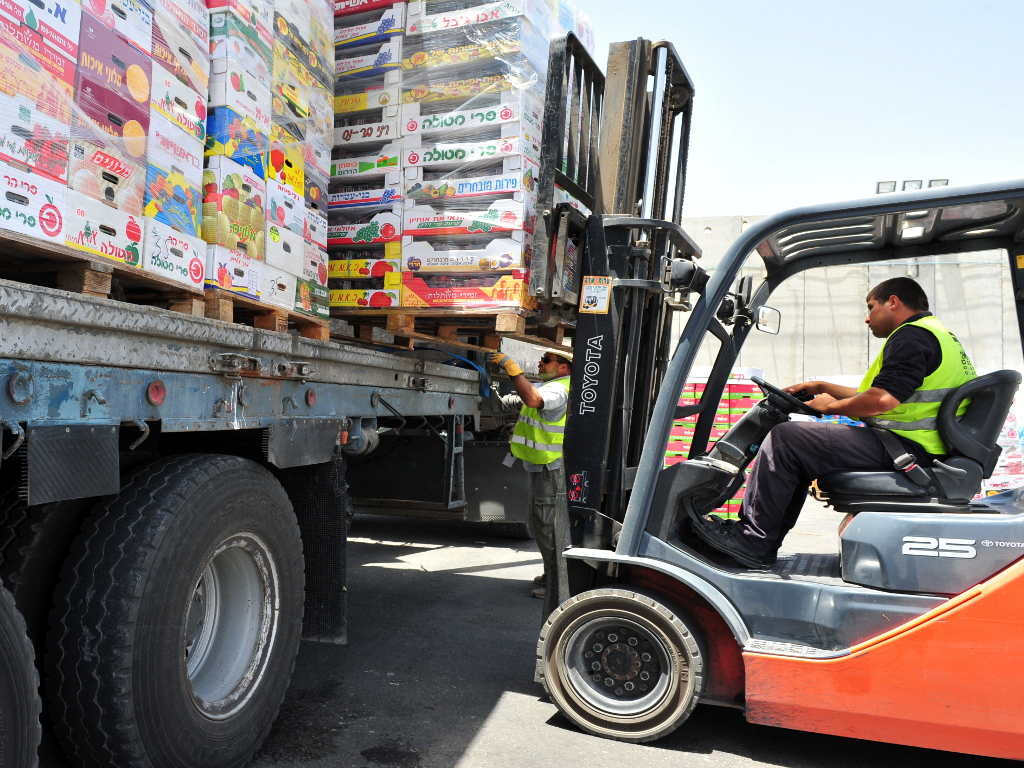
The existing EP and EU Council regulation, which is valid until December 31, exempts fruit and vegetables exported from Albania, Bosnia and Herzegovina, Montenegro, North Macedonia, Serbia and the territory of Kosovo and Metohija from specific customs duties and provides access to a global tariff quota for wine originating in the Western Balkans.
The European Commission has recommended continuing support for vulnerable economies in the Western Balkans region by extending the application of the Regulation on exceptional trade measures for countries and territories participating in or linked to the Stabilization and Association Process for five years, until December 31, 2030.
The extension until 2030 is a proposal that “balances continuity, accountability and legal certainty” and provides the Western Balkans and economic operators with “limited access to the core market while maintaining appropriate conditionality mechanisms,” the European Parliament’s website reports.
It adds that the extension of these measures is in line with the EU Growth Plan for the Western Balkans, which emphasizes closer integration of the region into the EU single market.
To benefit from these preferences, countries in the region must respect the definition of originating products, commit not to increase tariffs or restrictions on products imported from the EU, and not to “engage in serious and systematic violations of human rights, including fundamental workers’ rights, and to respect the principles of democracy and the rule of law.” They must also implement economic reforms and cooperate with other countries, in particular to establish a regional free trade area.
The European Commission can propose the total or partial suspension of trade preferences if a country fails to meet its obligations.
Tags:
European Parliament
Kris van Dijk
trade preferences for certain agricultural products from the Western Balkans
Comments
Your comment
Most Important News
Full information is available only to commercial users-subscribers and it is necessary to log in.
Pratite na našem portalu vesti, tendere, investicione projekte, grantove i pravnu regulativu.
Registracija na eKapiji vam omogućava pristup potpunim informacijama i dnevnom biltenu
Naš dnevni ekonomski bilten će stizati na vašu mejl adresu krajem svakog radnog dana. Bilteni su personalizovani prema interesovanjima svakog korisnika zasebno,
uz konsultacije sa našim ekspertima.