


 Izdanje Srbija
 Serbische Ausgabe
 Izdanje BiH
 Izdanje Crna Gora


 News
News


Solar panels today green hope, hazardous waste tomorrow - Region without recycling facilities, will company from BiH be first to enter business
Source: eKapija
 Saturday, 05.04.2025.
22:55
Saturday, 05.04.2025.
22:55
Saturday, 05.04.2025.
22:55
 Comments


Illustration (Photo: Unsplash/MICHAEL WILSON)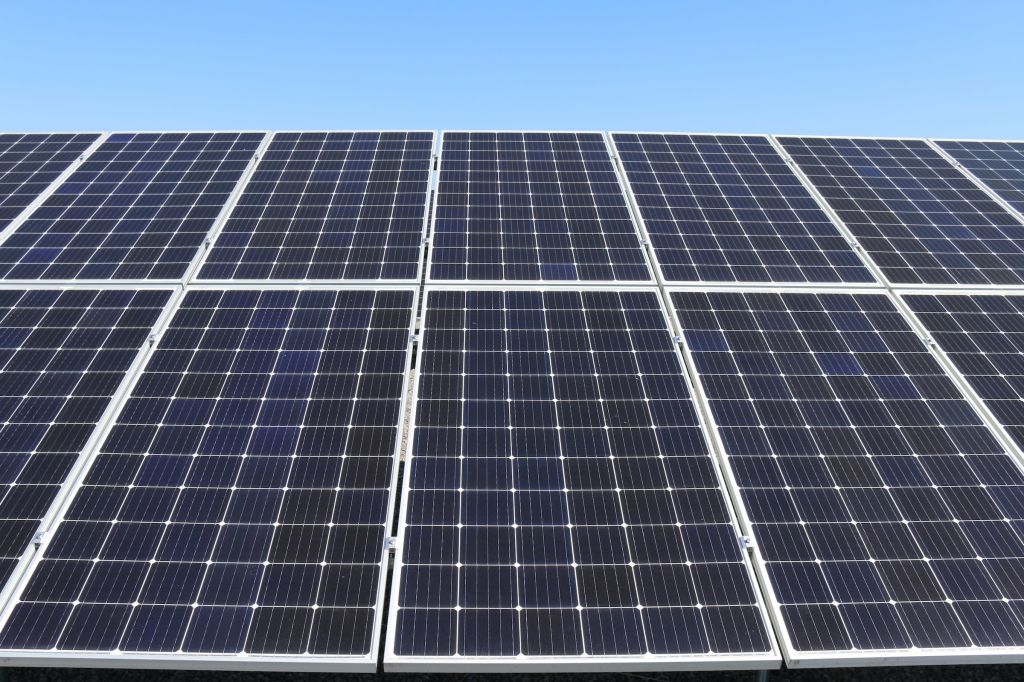
About this topic, which we will discuss in the near future, eKapija talked to Matija Marjanović, the director of Lucius from Vitez, which is working hard to prepare the first plant for recycling solar panels in Bosnia and Herzegovina.
Marjanovic explains that solar panels have a lifespan of 20 to 30 years, after which they become high-risk electronic waste.
- If they end up in landfills, they can release heavy metals like lead and cadmium, as well as micro glass particles that can contaminate the soil and groundwater. Instead of keeping green energy environmentally friendly, improper disposal can turn it into an ecological threat.
However, there is a solution, he says, and that is recycling. Through an adequate recycling process, he points out, most of the panel materials can be reused.
- More than 70% of the panel`s mass is made of glass, which is fully recyclable. Also, aluminum frames, silicon from cells, as well as silver and copper from electrically conductive layers can be fed back into the production process.
Marjanović explains that current technologies enable the recycling of between 90 and 95% of the material from solar panels.
- Glass and aluminum can be directly recycled and returned to industry, whereas silicon can be purified and reused in the production of new panels. Metals like copper and silver, although present in smaller quantities, have a high market value and wide application in the electrical industry. However, although recycling is environmentally profitable, the economic model still requires subsidies and strategic support. Panel recycling costs range from 250 to 1,200 EUR, depending on technology and degree of recycling.
Future recycling needs in the region
Considering the lifespan of solar panels, a more significant volume for recycling is expected from 2030, peaking between 2035 and 2040. However, recycling needs already exist due to physical damage, production errors or replacement of old panels with new, more efficient models.
- Despite the growing need, in Bosnia and Herzegovina and the countries of former Yugoslavia there are still no specialized solar panel recycling facilities. Currently, there are companies engaged in the collection and export of panels, but not with their systemic recycling. This leaves room for the development of this industry and opportunity for those who want to lead the market.
Recycling plant plans
The Lucius company is already developing pilot projects and test lines for manual disassembly of solar panels, with the aim of opening an operating facility in the period 2026-2027. A completely automated recycling center is planned for the period after 2030, depending on market conditions and institutional support.
- The time we live in is challenging. We take decisions with a cool head but with a clear strategy – to be first and remain as efficient as possible - says Marjanović and adds that they plan to invest significant funds in this area.
Legal framework and challenges in the region
In the European Union, solar panels fall under the WEEE (Waste Electrical and Electronic Equipment) directive, which obliges producers and importers to ensure the collection and recycling of panels and finance the treatment process.
- However, the implementation of this regulation is weak in the countries of the region. Whereas Croatia, as a member of the EU, has a more developed system, the results are still limited. In Bosnia and Herzegovina, Serbia, Montenegro and North Macedonia, legal obligations and funds for solar panel recycling are still in their infancy, which slows down the development of the necessary infrastructure - Matija Marjanović, director of Lucios, tells us.
He adds that the current state of infrastructure for the collection and storage of solar panels in the region is not at a satisfactory level. Companies store damaged or worn panels themselves, often in an inadequate way, while centralized collection systems do not exist. High costs of transporting hazardous waste make the situation even more difficult.
- Nevertheless, the increasing need for recycling opens the door for new investments and development of the industry. Companies which position themselves in this area in time, will have the opportunity not only to solve the ecological problem, but also to build a profitable and sustainable business model in the green energy sector - Marjanović concludes.
Slobodana Šubara

Click here to see the entire Special Edition Newsletter
"ECONOMICALLY ECOLOGICAL - Green is the new black"
read more
Tags:
 Lucius Vitez
Matija Marjanović
WEEE directive
Waste Electrical and Electronic Equipment
solar panels
recycling of solar panels
green energy
special edition newsletters
special edition newsletter economically ecological green is the new black
SEN green is the new black
Comments
Your comment
Naš izbor


Most Important News
Full information is available only to commercial users-subscribers and it is necessary to log in.
Pratite na našem portalu vesti, tendere, investicione projekte, grantove i pravnu regulativu.
Registracija na eKapiji vam omogućava pristup potpunim informacijama i dnevnom biltenu
Naš dnevni ekonomski bilten će stizati na vašu mejl adresu krajem svakog radnog dana. Bilteni su personalizovani prema interesovanjima svakog korisnika zasebno,
uz konsultacije sa našim ekspertima.