


 Izdanje Srbija
 Serbische Ausgabe
 Izdanje BiH
 Izdanje Crna Gora


 News
News


IMF: Serbia successfully implements measures within agreed economic program
Source: eKapija
 Tuesday, 10.12.2024.
10:44
Tuesday, 10.12.2024.
10:44
Tuesday, 10.12.2024.
10:44
 Comments


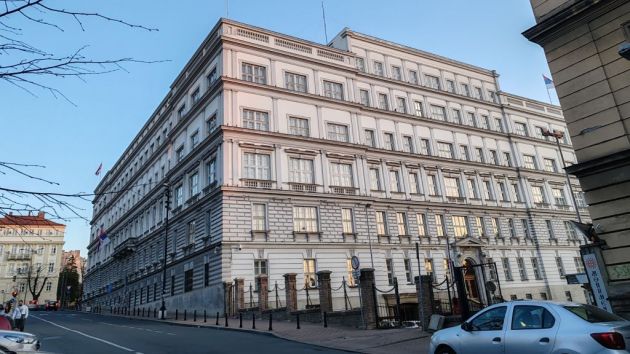
(Photo: Kristi Blokhin/shutterstock.com)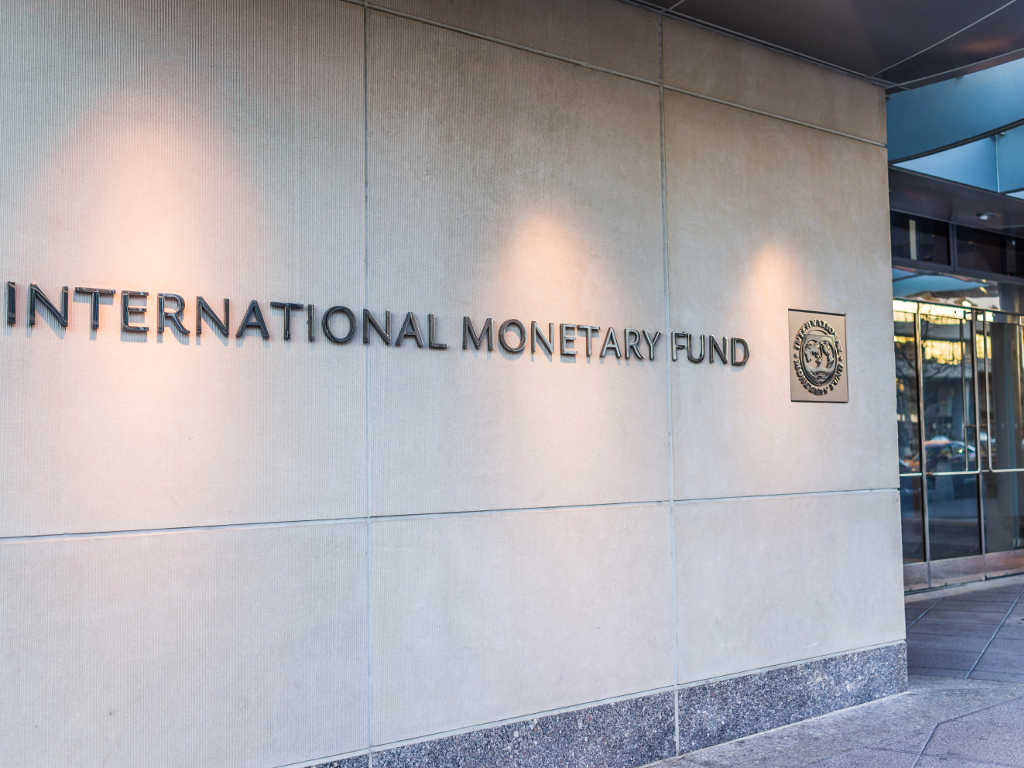
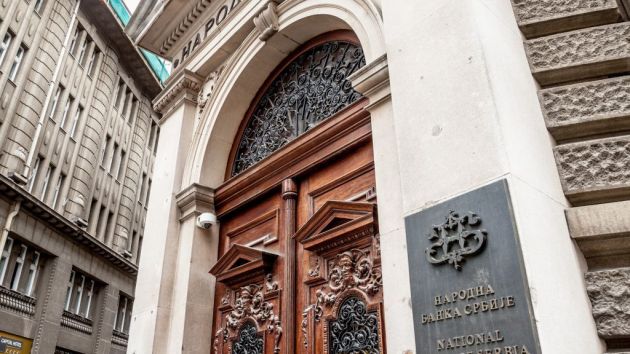
At the meeting held on December 9, the IMF Executive Board decided on the successful conclusion of the fourth and last review of the implementation of the current Stand-By Arrangement (SBA), concluded with Serbia in December 2022 for a period of 24 months, and approval of the three-year Policy Coordination Instrument (PCI), announced the National Bank of Serbia.
– The successful conclusion of the fourth and final review of the Stand-By Arrangement confirms yet again that Serbia is implementing credible policies. The fact that the IMF approved the Policy Coordination Instrument to Serbia for the third time shows that the IMF expects sound economic policies to continue in the medium term as well. This non-financial and advisory instrument is intended for countries pursuing a strong economic policy, which is what Serbia is doing. This is backed by the expected acceleration of GDP growth to the range between 4% and 5% in the coming years – said Governor Jorgovanka Tabakovic.
The IMF, the NBS says, estimated that within the SBA, Serbia implemented ambitious reforms, contributing to the achievement of outstanding macroeconomic results:
• In October 2024, Serbia received its first-ever investment grade rating;
• Strong economic growth in challenging global conditions, with growth above 4% expected in the coming period;
• Fiscal deficit and public debt have been reduced despite numerous challenges;
• Inflation has been brought back into the target band amid robust growth and a preserved labor market, thanks to the central bank’s adequate monetary policy;
• FX reserves are at a record high level;
• The financial system is stable owing to adequate capitalization, high liquidity and strong profitability;
• The financial position of energy state-owned enterprises has been strengthened;
• Significant progress has also been made in implementing reforms to improve public investment management and SOE governance.
The completion of the fourth review enabled the withdrawal of funds amounting to around EUR 400 million (RSD 316.47 million), the press release says and adds that the arrangement has been treated as a precautionary arrangement since the second review of the program, and since then, the available funds have not been used.
In numbers, and as a concrete confirmation of the adequacy of the policies, Governor Jorgovanka Tabakovic stated:
• We have reduced inflation within the NBS target tolerance band of 3±1.5% despite numerous shocks, and it will stay there;
• Serbia’s economic growth this year, and likely in the medium term, will be one of the highest in Europe;
• The country’s FX reserves are at a record level, both in terms of volume and structure, and with more than EUR 28 billion, they cover more than seven months’ worth of imports of goods and services;
• We have tripled our gold reserves over the past twelve years to 48 tons, and increased their share in total reserves to 13%, which has proven to be extremely important amid huge global turbulences when the price of gold is rising sharply (by nearly 30% this year alone);
• We have set records in FDI inflows, which reached EUR 4.6 billion last year;
• Strong FDI inflows continued this year, amid significant challenges in home countries. As at November, FDI inflows reached EUR 4.467 billion, and we still have the entire month of December, so we expect this year to be a record year, with inflows even higher than the previous year;
• A record has also been set in dinar savings, which have increased by over 80% since the beginning of last year, reaching over RSD 180 billion;
• Bank asset quality has been further improved, with the NPL share at the lowest level of 2.7%;
• Lending activity accelerated to 7.2% y-o-y in October, with high growth in loans to businesses (4.9%) and households (9.2%).
New Policy Coordination Instrument
To confirm continuous commitment to good policies and the continuation of the reform momentum and fiscal discipline, Serbia will continue cooperation with the IMF through a three-year Policy Coordination Instrument, the Central Bank says in its press release.
The aim, the NBS adds, is to preserve macroeconomic and financial stability, maintain fiscal discipline and the downward trajectory of public debt, further strengthen the resilience of the energy sector and create room for meeting the sector’s investment needs.
In the IMF’s assessment, this will be aided by the ambitious public investment plan and the continuation of structural reforms.
– Acknowledging the results Serbia has achieved over the past twelve years, by a new, third in a row Policy Coordination Instrument, the IMF will both sustain them and support the continued implementation of an ambitious reform agenda. Inflation within the NBS target bounds, the maintained relative stability of the RSD/EUR exchange rate and record-high FX reserves will remain an important pillar of investment and consumer confidence and the country’s financial stability – concluded Tabakovic.
Tags:
IMF
International Monetary Fund
National Bank of Serbia
NBS
Jorgovanka Tabaković
standby arrangement
Policy Coordination Instrument
Comments
Your comment
Naš izbor
Most Important News
Full information is available only to commercial users-subscribers and it is necessary to log in.
Pratite na našem portalu vesti, tendere, investicione projekte, grantove i pravnu regulativu.
Registracija na eKapiji vam omogućava pristup potpunim informacijama i dnevnom biltenu
Naš dnevni ekonomski bilten će stizati na vašu mejl adresu krajem svakog radnog dana. Bilteni su personalizovani prema interesovanjima svakog korisnika zasebno,
uz konsultacije sa našim ekspertima.