


 Izdanje Srbija
 Serbische Ausgabe
 Izdanje BiH
 Izdanje Crna Gora


 News
News


Romania rejected the construction of Djerdap III! - There is no compromise, the Serbian RHPP would reduce the existing electricity production on the Danube
Source: eKapija
 Wednesday, 07.08.2024.
13:47
Wednesday, 07.08.2024.
13:47
Wednesday, 07.08.2024.
13:47
 Comments


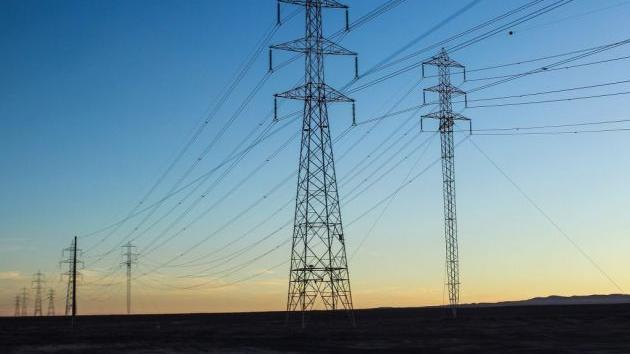
(Photo: Erich Westendarp from Pixabay)
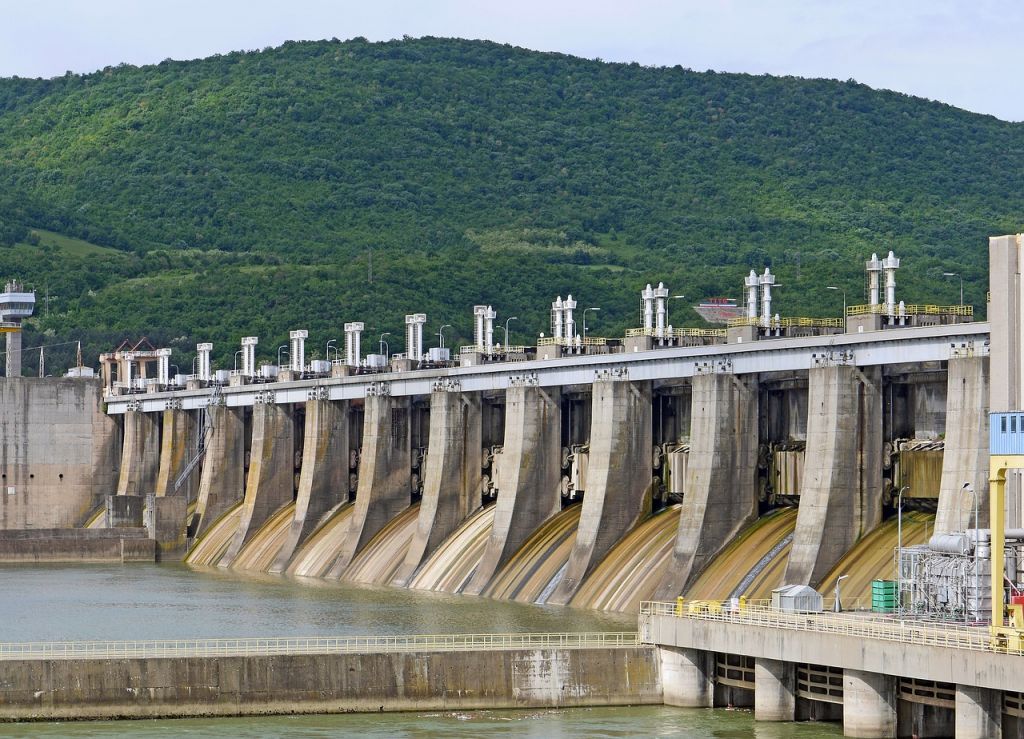
The announcement comes in the context that Serbia wants to build a new hydroelectric power plant on the Danube, designated Djerdap III, downstream of the two existing ones (I and II), which would lead to a decrease in energy production at Iron Gate I and II, Romanian media reported.
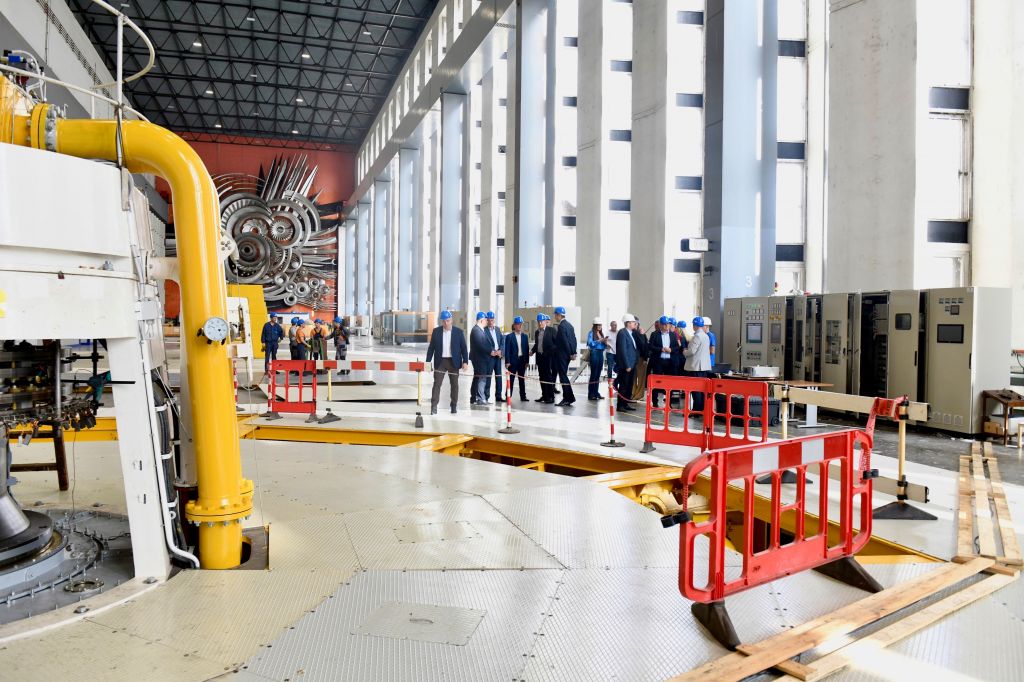
- Iron Gate I is a pillar of our energy system, and constant investments in the modernization of this infrastructure are necessary to ensure the stability and efficiency of electricity production. Hidroelectrica remains a strategic partner in achieving Romania's goals of producing safe, green energy at a competitive price. As for Djerdap 3, a possible pumping storage facility on the territory of Serbia, it is now at the level of a feasibility study. The Serbian side cooperated with the US-based company Bechtel, which a week ago presented preliminary data on the investment and possible impact on energy production of Iron Gates I and II. We are very careful about these investment plans because we do not want under any circumstances to suffer the exploitation potential of the existing hydroelectric power plants on the Danube. We understand the importance of Djerdap 3 as a pumped hydroelectric power plant and its role in providing systemic, balancing services, but - once again - we will not make any compromises regarding the production of electricity from Iron Gates I and II - said the Romanian Minister of Energy, Sebastian Burduja, who was on Monday in a working visit to the Portile de Fier I (Djerdap I) Hydropower Plant.
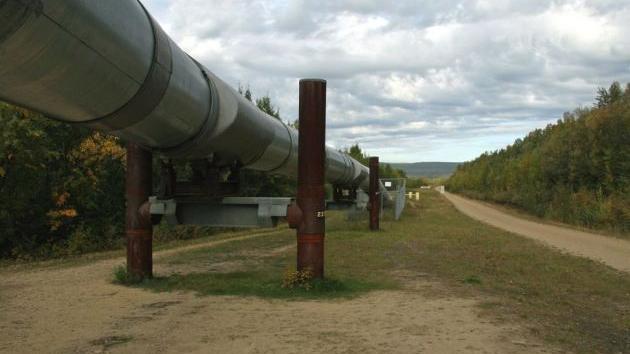
As Romania Journal reminds, Burduja also signed a memorandum on the construction of a gas pipeline between the two countries with the Serbian Minister of Energy on Monday.
- Last, but not least, the topic of Djerdap III (a hydroelectric power plant under pre-construction on the border of Serbia and Romania), a pumping station on the territory of Serbia, which is at the preliminary level of a pre-feasibility study, was discussed today. The Serbian side worked together with the US company Bechtel, which did this preliminary feasibility study, and a week ago they presented preliminary data about this investment and the possible impact on the infrastructure of Iron Gate I and II - Minister Burduja said at the time, according to a Romanian newspaper.
In the Serbian media, on Monday, not a single word was written about Romania's rejection of the construction of Djerdap III.
After signing the memorandum on the gas pipeline with her Romanian counterpart in Kladovo, the minister Dubravka Djedovic Handanovic said that the ministers had discussed the development of the Đerdap III reversible hydroelectric power plant project with the directors of energy companies from both countries.
Previously, in May, during a conversation with the Romanian ambassador to Serbia, the minister stated that the preliminary feasibility study with the general project had been completed, "and that coordination with Romanian colleagues will be very important for the realization of this complex project". Then she said, as reported by the Ministry, that "teams have been formed on both the Serbian and Romanian sides that will cooperate closely in the future."
Romania Journal, however, now confirms the writings of some media and in Serbia, the relevant ministry in Bucharest responded to these statements by the Serbian minister and that the working group for the construction of the Iron gates III hydroelectric plant does not exist. The Romanian Ministry also emphasized that such a project "must be widely discussed, because it could have a significant impact on the environment and navigation".
We remind the readers, Serbia and Romania jointly built HPP Djerdap I and Djerdap II.
The Romanian newspaper recalls that the Portile de Fier I (Djerdap I) hydroelectric power plant, opened in 1972, is one of the largest hydrotechnical structures on the Danube River, with an installed power of 1,166.4 MW and an annual production capacity of approximately 5.4 TWh. This includes a 1,278 meter long dam and 12 Kaplan turbines (of which 6 are operated by Romanian company Hidroelectrica), which are an essential element in Romania's energy system and contribute significantly to electricity generation and river water management. In an average hydrological year, the Portile de Fier I hydropower plant provides approx. 10% of the need for national consumption.
Serbian plan for Djerdap III
The plan for the construction of the Djerdap III hydroelectric power plant has existed since the eighties of the last century, immediately after the completion of Djerdap II.
According to the website of PE Elektroprivreda Srbije, Djerdap III would be a reversible HPP that would be built at the 1007th kilometer of the Danube (downstream from Djerdap I and II).
The concept of the solution consists in the fact that water is captured from the Djerdap Lake from an elevation of 68 m, pumped into the upper planned basins of Pesac and Brodice, and that when the Serbian power system has surplus electricity. During load peaks, it works as a storage power plant that provides the necessary power and required amounts of energy.
It is planned that the reversible hydropower plant Djerdap III will be built in three stages.
The total amount of water in the Pesaca and Brodica reservoirs is 578 million m3, which provides the possibility of realizing an energy reserve for crisis periods in the EES. The energy equivalent of both reservoirs, in that last phase of development, would be around 484 GWh.
The total power for all three stages is 2,400 MW.
B. P.


U blizini:


2,1 km


Fotografije:


Opis:
Vidi sve


Tags:
Ministry of Energy of Romania
Ministry of Energy of Serbia
Bechtel
Hidroelectrica
Sebastian Burduja
Dubravka Djedovic Handanovic
Karoly Borbely
HPP Djerdap 1
HPP Djerdap 2
RHPP Đerdap 3
construction of Djerdap 2
Iron gate
Portile de Fier
Investicije na lokaciji:
2024.
Comments
Your comment
Naš izbor
Most Important News
Full information is available only to commercial users-subscribers and it is necessary to log in.
Pratite na našem portalu vesti, tendere, investicione projekte, grantove i pravnu regulativu.
Registracija na eKapiji vam omogućava pristup potpunim informacijama i dnevnom biltenu
Naš dnevni ekonomski bilten će stizati na vašu mejl adresu krajem svakog radnog dana. Bilteni su personalizovani prema interesovanjima svakog korisnika zasebno,
uz konsultacije sa našim ekspertima.