


 Izdanje Srbija
 Serbische Ausgabe
 Izdanje BiH
 Izdanje Crna Gora


 News
News


Expected capacity of wind farms and solar power plants by 2040 in Serbia nearly 11 GW

 Comments


Illustration (Photo: PhotographyByMK/shutterstock.com)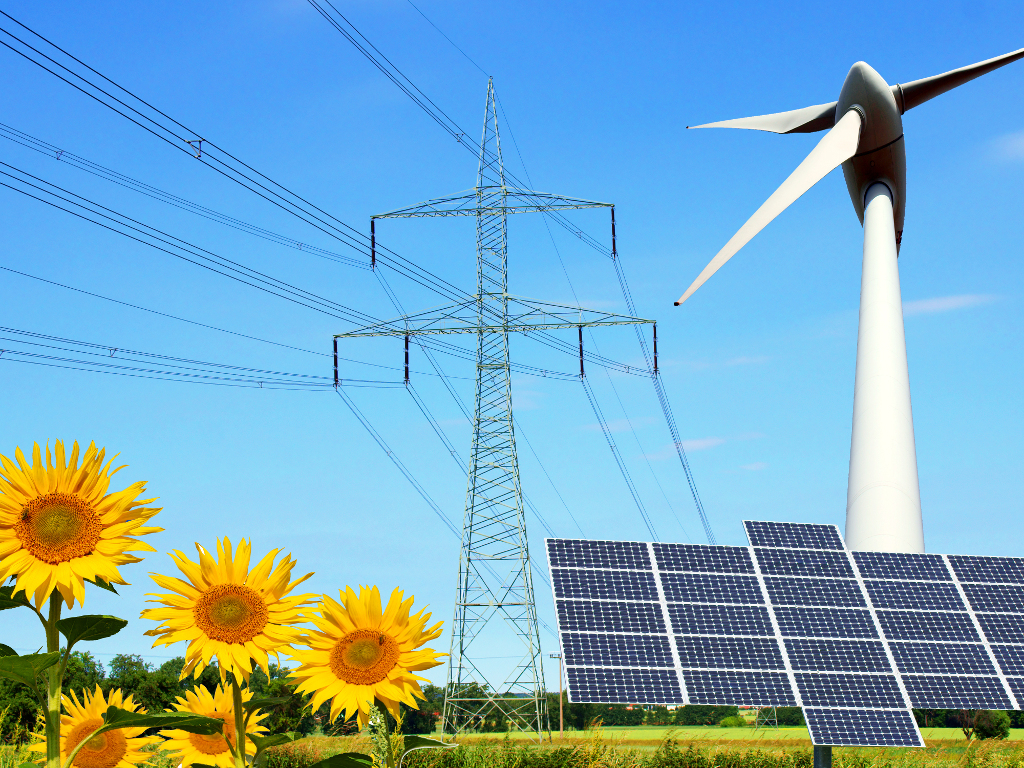
The draft Strategy is available for public discussion until August 15, and those interested can send their complaints, proposals and suggestions by mail at the address of the Ministry of Mining and Energy, at 36 Kralja Milana Street, by email at the addresses strategija_energetike@mre.gov.rs and biljana.ramic@mre.gov.rs, through the eKonsultacije portal, or through participation in one of the three public discussions, in Belgrade, Nis and Novi Sad.
Wind farms and solar power plants – 10.97 GW by 2040
In the period until 2030, an expansion of the construction of power plants which use wind and solar energy as the primary energy is expected, so the total installed power of wind farms and solar power plants in 2030 is expected to be 3.5 GW, which is a considerable increase of the share of intermittent renewable energy sources in the total production of electricity, the draft says.
– The planned installed power in the wind farms amounts to around 1.77 GW (with an annual production of 4.60 TWh), whereas the planned installed power in solar power plants is 1.73 GW (with an annual production of 2.27 TWh). That means that, with said projected installed capacities, the expected annual production amounts to 6.87 TWh – the draft says.
In the period after 2030, a further increase of the installed capacities of wind farms and solar power plants is expected. By 2040, the total installed capacity of the built wind farms and solar power plants is expected to be 10.97 GW, and a total production of electrical energy from intermittent sources of 19.04 TWh on an annual level is expected. In concrete terms, the projected installed power of wind farms amounts to 3.6 GW (with an annual production of 9.36 TWh), whereas the projected installed power of solar power plants is 7.37 GW (with an annual production of 9.68 TWh).
Energy transition inevitable
The strategy notes that the Republic of Serbia has accepted the way of the energy transition. As explained, the new geopolitical circumstances, in the form of the global escalation of the geopolitical conflicts and the war of Russia and Ukraine, point to the fact that the improvement of the energy security, achieving the maximum possible energy independence and the economic sustainability of the energy system remain the most important goals of the energy policy of the Republic of Serbia.
– The existing, available resources will have to remain the backbone of the Serbian electrical energy system until the production of electrical energy from sustainable sources, the infrastructure for transfer and distribution, as well as the storage capacities and the ability of the integration of renewable energy sources are sufficiently developed and harmonized so that they can reliably and safely replace the domestic lignite, in line with the goals of this strategy - says the text of the Strategy.
This document also recognizes that, for the energy security of the Republic of Serbia, a sustainable decarbonization of the energy sector is of crucial importance. The strategy traces the path for the reform of the energy sector and the execution of the process of the energy transition.
– The key items of that path are the shift to the use of renewable energy sources, a more intensive implementation of the measures of energy efficiency and its improvement in all energy sectors and all industries and sectors of consumption, with the consideration of the possibility of also introducing nuclear energy in the energy sector of the Republic of Serbia, after 2040 – the Draft says.
In order to additionally improve the environment for investments directed at climate neutral energy development, the strategy also proposes a gradual introduction of charging for the emission of greenhouse gases, as the key economic mechanism for the regulation of the speed of the energy transition. In this process, it is noted, it is also important to do an analysis of the effects of the introduction of the carbon border adjustment mechanism (CBAM) by the EU.

Tags:
Ministry of Mining and Energy
Energy Development Strategy of the Republic of Serbia until 2040 with projections until 2050
renewable energy sources
wind farms
solar power plants
Comments
Your comment
Naš izbor

Most Important News
Full information is available only to commercial users-subscribers and it is necessary to log in.
Pratite na našem portalu vesti, tendere, investicione projekte, grantove i pravnu regulativu.
Registracija na eKapiji vam omogućava pristup potpunim informacijama i dnevnom biltenu
Naš dnevni ekonomski bilten će stizati na vašu mejl adresu krajem svakog radnog dana. Bilteni su personalizovani prema interesovanjima svakog korisnika zasebno,
uz konsultacije sa našim ekspertima.