


 Izdanje Srbija
 Serbische Ausgabe
 Izdanje BiH
 Izdanje Crna Gora


 News
News


Josifova: Serbia Has Become a Landfill for EU’s Unused Stock
Source: Danas
 Thursday, 17.08.2023.
11:40
Thursday, 17.08.2023.
11:40
Thursday, 17.08.2023.
11:40
 Comments


(Photo: Photographee.eu/shutterstock.com)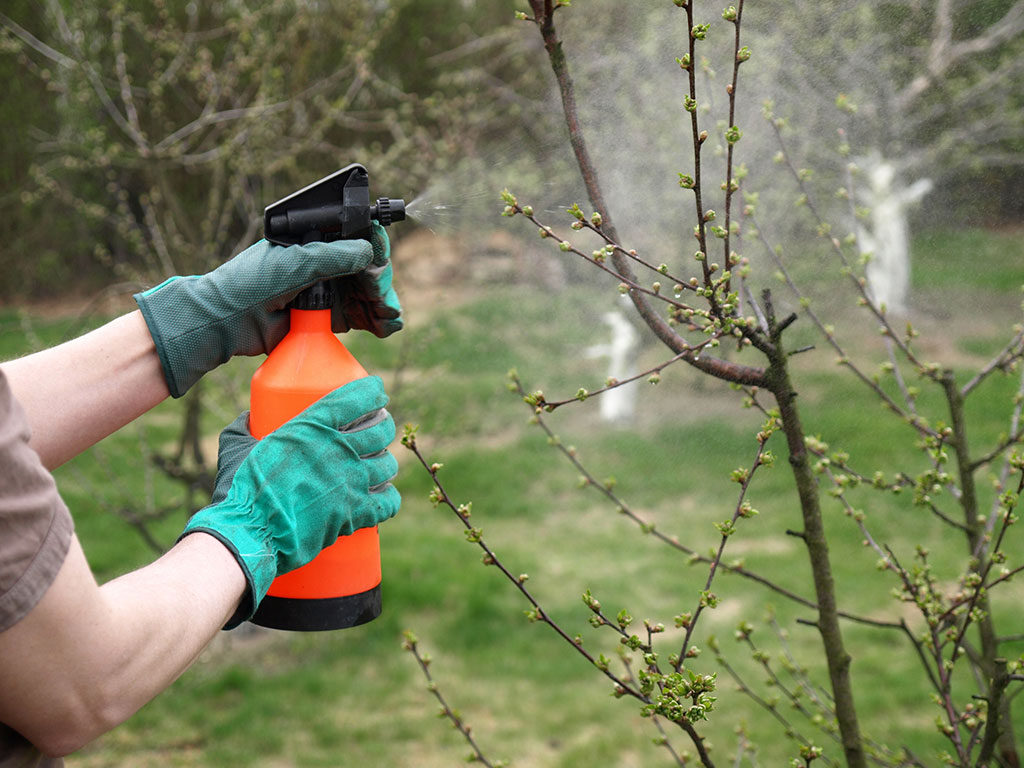
Earlier this month, peaches were returned from the border with Slovenia, because it had been determined that they contained said pesticide Chlorpyrifos.
Still, as Violeta Josifova, the development manager at BioGenesis, says for the Danas daily, this could be expected, because those in charge had done things which inevitably led to that outcome.
– Minister Jelena Tanaskovic has allowed an intervention importing and use of the banned active substance Chlorpyrifos, which has not been used in Serbia for a long time. A part of that substance has ended up in fruit farming and was not meant to, which has now resulted in the fact that the entire export of fruit and vegetables could be banned for Serbia – notes Josifova.
Danas’s interviewee emphasizes that she has addressed both the ministry and the minister herself several times, trying to warn of the harmful consequences of the importing of banned active substances and environmental waste, but that those in charge have ignored these memos.
– Serbia has become a landfill for EU’s unused stock. Products which stopped being used there a long time ago are imported. It is currently not known what kind of stock is there and for how many years it will linger in various cooperatives and be sold in the black market. Multinational companies have brought to Serbia everything that they haven’t put on the EU market, because uncontrolled imports are allowed for them. This jeopardizes the mechanisms of market demand and supply – warns the development manager at BioGenesis.
Josifova points out that another mistake was made with the permit to register the import of pesticides based on copper, for the needs of the production of sugar beet, despite the fact that it is not allowed anywhere in the world.
– That way, 20,000 to 30,000 hectares of arable land is ruined each year – she clarifies.
The Danas daily was also given an insight into the memo from March 2023, which their interviewee sent to the ministry’s address, warning that Chlorpyrifos is the most common reason for sending back the fruit meant for export.
– All the apples that have been returned from export was due to Chlorpyrifos – Josifova reminds and concludes that the Expert Council for the Protection of Plants in fact does not consist of people who belong in those positions.
Companies:
 Biogenesis d.o.o. Beograd
 Ministarstvo poljoprivrede, šumarstva i vodoprivrede Republike Srbije
Tags:
European Commission
Expert Council for the Protection of Plants
Violeta Josifova
Jelena Tanaskovic
peaches
Chlorpyrifos
peaches returned from the border
import of copper based pesticide
Comments
Your comment
Naš izbor
Most Important News
Full information is available only to commercial users-subscribers and it is necessary to log in.
Pratite na našem portalu vesti, tendere, investicione projekte, grantove i pravnu regulativu.
Registracija na eKapiji vam omogućava pristup potpunim informacijama i dnevnom biltenu
Naš dnevni ekonomski bilten će stizati na vašu mejl adresu krajem svakog radnog dana. Bilteni su personalizovani prema interesovanjima svakog korisnika zasebno,
uz konsultacije sa našim ekspertima.