


 Izdanje Srbija
 Serbische Ausgabe
 Izdanje BiH
 Izdanje Crna Gora


 News
News


European Commission: Economic Growth in Serbia Dampened Due to High Inflation
Source: Beta
 Tuesday, 16.05.2023.
10:37
Tuesday, 16.05.2023.
10:37
Tuesday, 16.05.2023.
10:37
 Comments


Illustration (Photo: PORTRAIT IMAGES ASIA BY NONWARIT/shutterstock.com)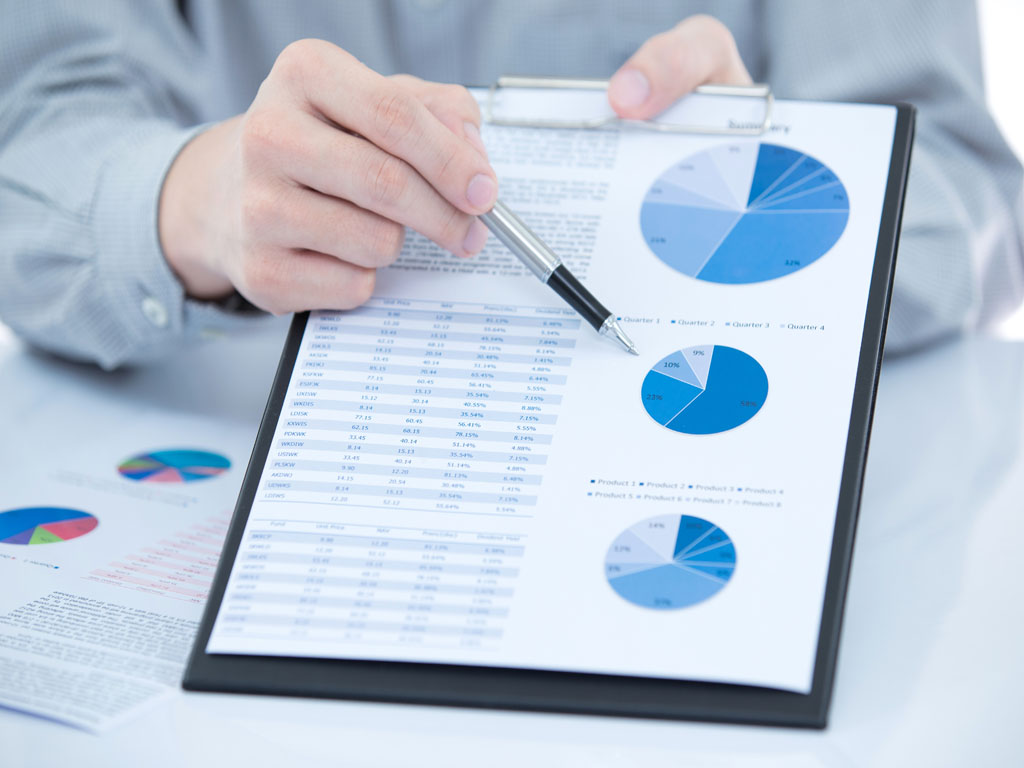
The section about Serbia says that, despite reduced trade dynamics with Serbia’s main trading partners in the EU, the contribution of net exports to growth is expected to improve due to decelerating imports and increased export performance supported by recent foreign direct investment in the tradable sector.
GDP growth in 2024 is projected to be mostly driven by private consumption and some pick-up in investment. The economic expansion is however forecast to remain more than a percentage point below its pre-pandemic rate that was somewhat above 4%.
It is reminded that, following a strong rebound in 2021, the expansion of the Serbian economy decelerated substantially in 2022, to 2.3%.
The EC warns that, given Russia’s continuing war of aggression against Ukraine, the growth outlook is subject to a high level of uncertainty while risks appear to be tilted to the downside.
It is also pointed out that higher or more persistent inflation than currently projected could further weaken purchasing power and thereby weigh on consumption and real growth more than currently anticipated.
A deeper-than-expected slowdown in Serbia’s main trading partners, particularly in the EU, could dampen net exports compared to the baseline.
On the other hand, increased nearshoring of production could have beneficial effects on foreign direct investment and exports.
At the same time, the EC forecasts that, after an expected peak in spring 2023, inflation is projected to decelerate, partly due to base effects, from mid-2023 onwards, supported by the effects of international and domestic monetary tightening and favorable commodity price developments.
The Commission also forecasts that, after it dropped to 9.4% in 2022, the unemployment rate will continue falling in 2023 and 2024, albeit at a more moderate pace.
In its forecast, the EC also says that the deficit will continue dropping in 2023 and 2024, from 3.1% of GDP in 2022, as will the general government debt-to-GDP ratio.
Tags:
European Commission
economic growth of Serbia
prognosis of economic growth of Serbia
growth of Serbian GDP in 2024
exports
unemployment rate
deficit
general government debt
Comments
Your comment
Naš izbor

Most Important News
Full information is available only to commercial users-subscribers and it is necessary to log in.
Pratite na našem portalu vesti, tendere, investicione projekte, grantove i pravnu regulativu.
Registracija na eKapiji vam omogućava pristup potpunim informacijama i dnevnom biltenu
Naš dnevni ekonomski bilten će stizati na vašu mejl adresu krajem svakog radnog dana. Bilteni su personalizovani prema interesovanjima svakog korisnika zasebno,
uz konsultacije sa našim ekspertima.