


 Izdanje Srbija
 Serbische Ausgabe
 Izdanje BiH
 Izdanje Crna Gora


 News
News


Intercity Public Transport in Serbia Twice as Expensive as European Average
Source: Beta
 Monday, 16.05.2022.
13:36
Monday, 16.05.2022.
13:36
Monday, 16.05.2022.
13:36
 Comments


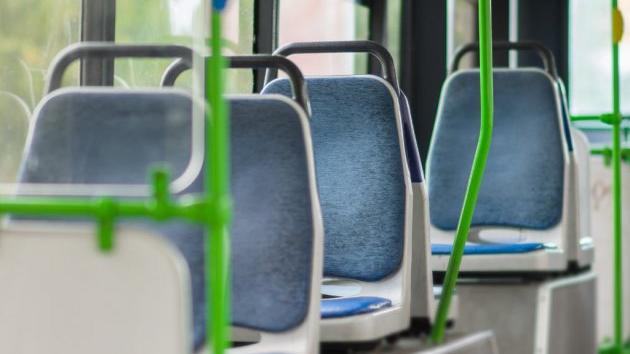
Illustration (Photo: Pixabay.com/Nick Walker)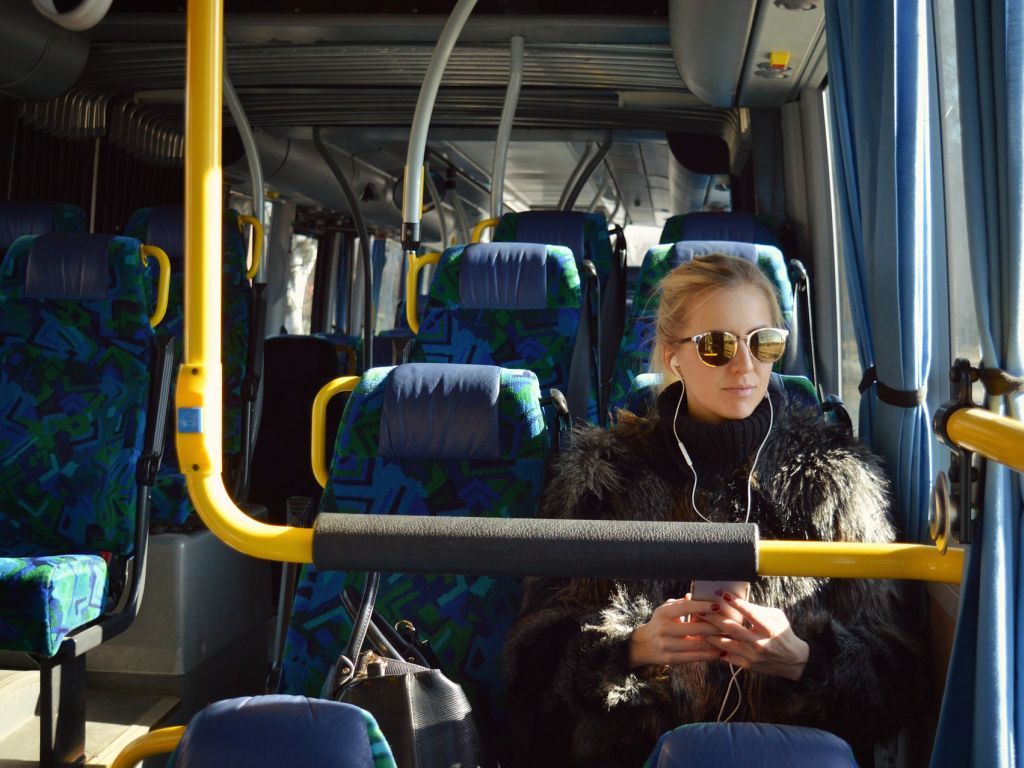
The biggest concentration of the market is local, because, on around two thirds of all lines, transport is done by only one bus transporter on each.
Bus stations incite sale of tickets at counters at the expense of online sale or the sale of tickets in vehicles and use their position to charge higher prices for transporters which are not connected with them. Spas and mountain places, where 50% of overnight stays of tourists in Serbia are made, are most frequently available exclusively by car or bus, says the survey of the intercity public transport in Serbia, jointly prepared by the Commission for Protection of Competition and the World Bank.
According to the data of the Chamber of Commerce of Serbia, around 80% lines in Serbia are longer than 250 or shorter than 100 kilometers. The most frequent lengths are 25 to 50 kilometers, because most cities are not directly connected by railway, so buses are the main form of local public transport.
Although the per capita income in Serbia is around 41% of the average in 27 EU member states, fare prices per kilometer on lines between larger, but also smaller cities, are nearly twice as high as the average price in EU countries.


Comments
Your comment
Naš izbor
Most Important News
Full information is available only to commercial users-subscribers and it is necessary to log in.
Pratite na našem portalu vesti, tendere, investicione projekte, grantove i pravnu regulativu.
Registracija na eKapiji vam omogućava pristup potpunim informacijama i dnevnom biltenu
Naš dnevni ekonomski bilten će stizati na vašu mejl adresu krajem svakog radnog dana. Bilteni su personalizovani prema interesovanjima svakog korisnika zasebno,
uz konsultacije sa našim ekspertima.