


 Izdanje Srbija
 Serbische Ausgabe
 Izdanje BiH
 Izdanje Crna Gora


 News
News


European Environmental Bureau: Serbian Thermal Power Plants Negatively Affect Europe’s Health and Environment

 Comments


Illustration (Photo: Svietlieisha Olena/shutterstock.com)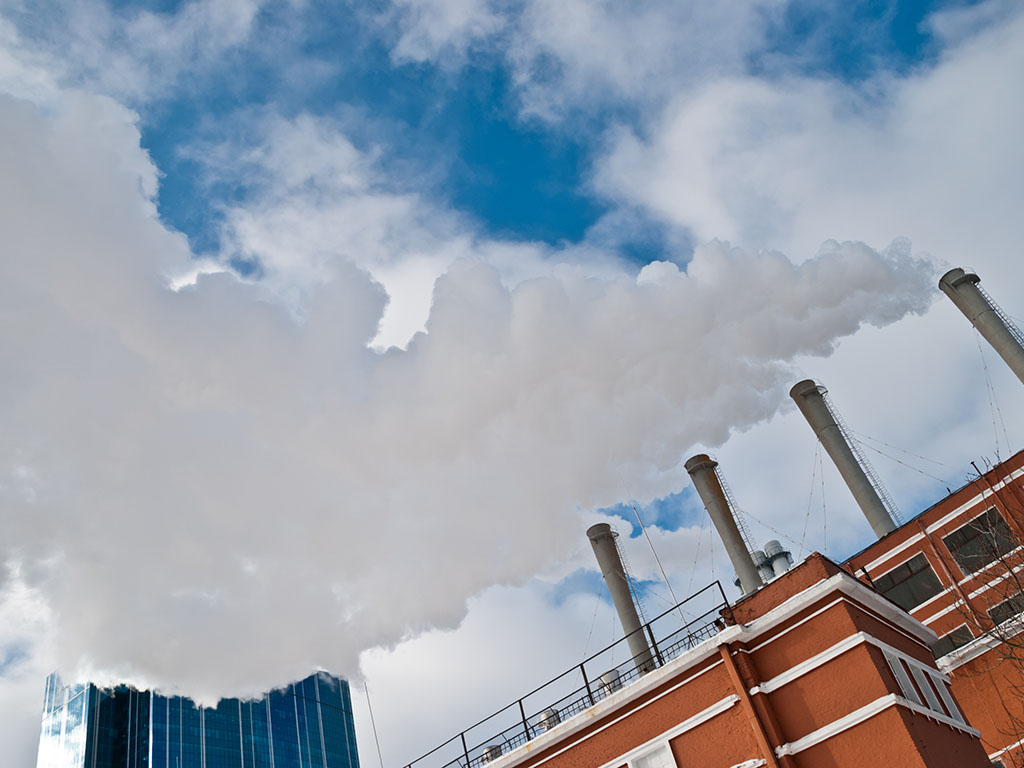
Serbian thermal power plants are among Europe’s biggest emitters of sulfur dioxide (SO2), and a public health and economic liability for the whole continent, META writes.
SO2 is a harmful gas released when burning coal, which contributes to the formation of acid rain and particulate matter (PM), and pose a significant threat to human health and the environment.
When inhaled, SO2 can cause severe irritation of the nose and throat, coughing and difficulty in breathing. Exposure to high concentrations can also cause a life-threatening accumulation of fluid in the lungs, as well as long-lasting condition like asthma.
SO2 emissions from EPS plants travel long distances and affect people and nature in Serbia and beyond.
Modelling data show that over half of the premature deaths caused by emissions from Western Balkan coal power plants in 2016 occurred in the EU. Although neighboring countries are the most exposed – 380 of these premature deaths happened in Romania and 370 in Italy – the impacts were felt as far as Germany, France and Spain.
Chronic coal pollution in the Western Balkans also harmed European productivity with an estimated total of 3,047 hospital admissions and over 1.16 million lost working days in the EU and Western Balkan countries in 2016. In the EU alone, the total was 1,418 hospital admissions and over 600,000 lost working days.
META reminds that, as a party to the Energy Community, an international organization which brings together the European Union and its neighbors to create an integrated pan-European energy market, Serbia is legally required to reduce polluting emissions from its thermal power plants below the legal levels set in the National Emission Reduction Plan (NERP).
The plan aims to bring emissions from the country’s old large combustion plants in line with limits set out in the EU Industrial Emissions Directive by the end of 2027.
However, years after the NERP’s emission limits came into effect, Serbia has taken no steps to reduce its fleet’s emissions in line with the plan. In 2018 and 2019, ten of EPS’s thermal power plants emitted respectively 336,000 and 309,500 tons of SO2 – six times above the NERP’s annual limit of 54,000 tons.
EPS’ Kostolac and Nikola Tesla plants alone emitted more SO2 than Bulgarian, Czech, French and Polish plants combined.
Serbia’s difficulties to comply with the NERP ceilings are also concerning for the country’s negotiations to access the EU, as the limits set under EU law are significantly stricter.
Besides, META adds, the country’s heavy dependency on coal – over 70% of Serbian electricity comes from poor quality lignite – hinders the efforts to align with the EU’s 2030 climate targets.
Tags:
European Environmental Bureau
EEB
Riccardo Nigro
coal power plants
pollution
sulfur dioxide
coal combustion
SO2
toxic matter pollution
Comments
Your comment
Naš izbor
Most Important News
Full information is available only to commercial users-subscribers and it is necessary to log in.
Pratite na našem portalu vesti, tendere, investicione projekte, grantove i pravnu regulativu.
Registracija na eKapiji vam omogućava pristup potpunim informacijama i dnevnom biltenu
Naš dnevni ekonomski bilten će stizati na vašu mejl adresu krajem svakog radnog dana. Bilteni su personalizovani prema interesovanjima svakog korisnika zasebno,
uz konsultacije sa našim ekspertima.