


 Izdanje Srbija
 Serbische Ausgabe
 Izdanje BiH
 Izdanje Crna Gora


 News
News


Fifteen new free zones in Serbia prior to year 2015 - up to 40% lower business expenditures
 Wednesday, 18.11.2009.
16:06
Wednesday, 18.11.2009.
16:06
 Comments


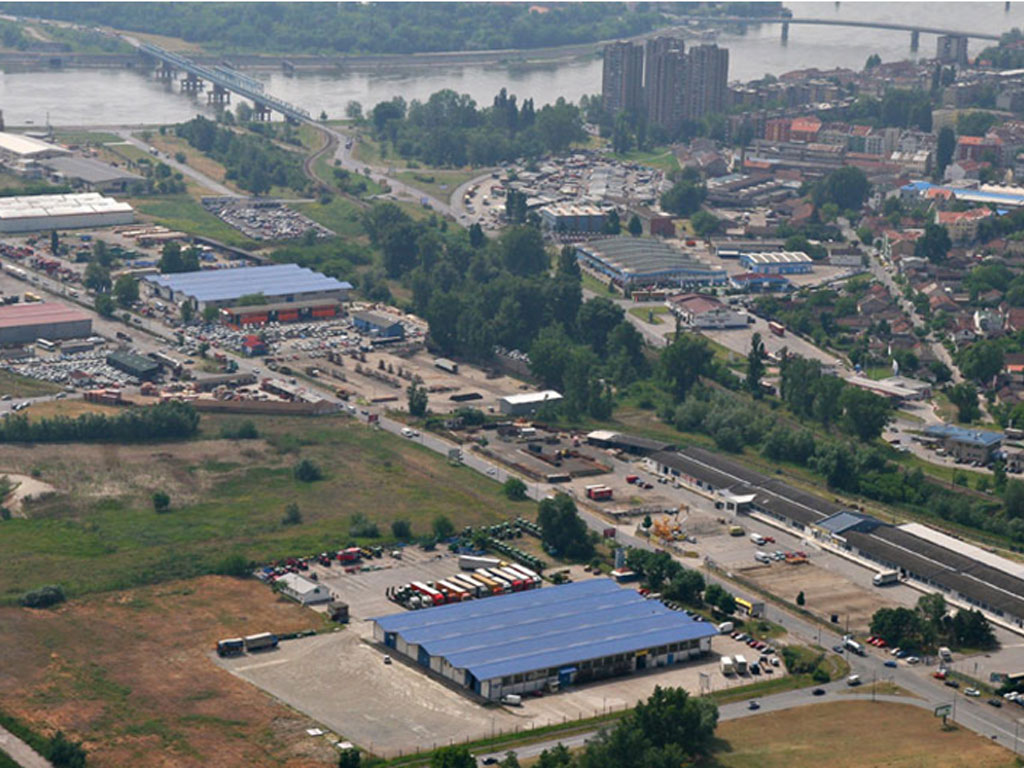
(Free zone Subotica)
Customs facilities, tax reliefs, creation of new jobs, foreign investments, larger export - these are only some of the characteristics of the businesses that are done within the free zones that have been opened in Serbia since 2006 in Subotica, Pirot, Novi Sad and Zrenjanin. New free industrial zones should be formed in Užice, Kragujevac and Šabac prior to the beginning of the next year.
While over 20% of export in the world is realized through free zones, such industrial centers participate with only 2% in Serbia's export.
- Serbia does not have sufficient number of free zones. The existing zones have failed to attract domestic and foreign investments, so that the Administration for Free Zones has decided to offer some additional benefits – it was said yesterday (November 16, 2009) in the Chamber of Commerce of Serbia, at the Round table on the role of free zones in the process of attracting foreign investments.
In order for the competitiveness of free zones to be improved, infrastructural equipping of the land will be introduced and paid equally by the state and local self-government.
The CEO of the Administration for Free Zones within the Ministry of Finance, Vladimir Gajić, pointed out that, according to the Draft strategy for development of free zones in the period 2010-2015, the second key innovation was introduction of additional tax reliefs - reduction of tax on salaries in newly founded companies in free zones and reduction of tax on property by 50%.
Business in free zones is done according to special legal and economic regime, which is different than the business terms on the rest of the territory of Serbia, and the entrepreneurs that operate in such zones can cut their expenditures by up to 40%.
The methods for attracting companies to free zones are different in every country, and the terms of operations in free zones in Serbia are defined by the 2006 Law on Free Zones.
Benefits offered by free zones in Serbia
The costs of land and infrastructure in free zones are lower than usual, which means that the overall expenses of investors that operate in such zones are lower.
The companies that operate within free zones have certain customs facilities - they do not pay the duties for goods, raw materials for production, production equipment, materials for building and equipping facilities. Free zones offer unlimited period of time for keeping goods and shortened customs procedure.
The companies are free to temporarily move the goods from the zone to some other part of the territory of Serbia, or vice versa, in order to have the goods additionally processed, repaired, tested, attested, or presented to the public. However, the manufacturers are obliged to return the final products to the free zone and export them.
Foreign-trade operations in free zones, and import and export in the zones, are not subject to quantitative limitations and measures of the commercial policy in the country.
Goods and services in free zones are freed from VAT, tax on profit is cut to 10%, and it is expected to be additional reduced to 5%.
If the company invests over 7.5m USD and additionally employs 100 workers, it does not have to pay the tax on profit within the period of ten years.
The benefits in the field of financial regulations include free taking of loans abroad and free investment of capital. Transfer of profit and retransfer of deposits, payment, charging, transfer, purchase and sale in domestic and foreign currencies are carried out according to the regulations governing the foreign currency operations of Serbia.
Free zone Subotica
Free zone in Subotica, which gathers 42 companies at 15 ha, should get another 10 ha of land to use.
- City of Subotica, as the major stockholder of the free zone, plans to expand the parcel of the current free zone. We now have 1,000 square meters of space at our disposal, and there is also additional space at 3,000 square meters that can be rented – Geza Kučera, the Assistant to the Director General of Free Zone Management Company "Subotica", told "eKapija".
He points out that the biggest client of Subotica's free zone is German "Loher", which produces wind-generators, and that company "Samsung" is interested in investments in Subotica. According to Kučer, if "Samsung" decides to organize production in Subotica, 1,000 jobs will be created.
Free zone Pirot
(Free zone Pirot)
There are 140 companies in Free zone Pirot, 7 of which deal with production. That zone occupies the surface of 65 ha, 12 ha of which are still available for greenfield investments. One of the biggest companies in Free zone Pirot is "Michelin".
Free zone Novi Sad
There are 50 companies operating within Free zone Novi Sad, which occupies the surface of more than 10 ha. That industrial center comprises 83,294 square meters of land for greenfield investments, 1,500 square meters of land for indoor production-storage space and 3,800 square meters of land for outdoor production-storage space.
Free zone Zrenjanin
The free zone occupies the surface of about 6 ha, 400 square meters of which are reserved for office space, 6,000 square meters will be turned into indoor storage space, while 5,000 square meters will serve as outdoor storage space.
Another 15 free zones in Serbia
Miodrag Đidić, the State Secretary within the Ministry of Finance, said that, in addition to free zones in Užice, Kragujevac and Šabac, the free zone may also be opened in Tutin in 2010 thanks to the interested investors from Turkey.
He announced that about 15 free zones were planned to be opened in Serbia within the next few years, and he reminded that three out of four free zones that existed in Serbia at the moment were on the territory of Vojvodina.
Džidić pointed out that the opening of the free zone in Belgrade for the needs of Chinese entrepreneurs had been announced on the occasion of the recent visit of the national delegation of Serbia to China.
First free zones
The first free zone founded in post-war Europe was the one in Shannon, Ireland. It was created to attract as much capital as possible and revive the economy in that region. The post-war free zones were founded under the patronage of the World Bank and IMF, as well as the UN organizations for trade and industry.
According to the data provided by the World Bank, number of free zones in the world has been significantly growing over the last 30 years. Number of free zones in the world in 1975 amounted to 75, and it grew to 850 in ten years. There were nearly 3,000 such zones in the world at the beginning of year 2003, while their number now exceeds 5,000. About 20% of international exchange of goods is realized through them. According to some information, free zones employ more than 27m people all around the world.
 Ministarstvo finansija Republike Srbije
 DOO Slobodna zona Subotica
 Slobodna carinska zona Novi Sad a.d. Novi Sad
 Slobodna zona Novi Sad doo Novi Sad
 Slobodna zona Pirot ad Pirot
 Slobodna zona Zrenjanin
 Privredna komora Srbije
 IFC
IFC
 Loher Elektro Subotica d.o.o. (LES)-obrisano iz registra
 Samsung Corporation Seongnam city
 Tigar Tyres doo Pirot