


 Izdanje Srbija
 Serbische Ausgabe
 Izdanje BiH
 Izdanje Crna Gora


 News
News


Why are all passports nearly identical?

 Comments


Illustration (Photo: zimmytws/shutterstock.com)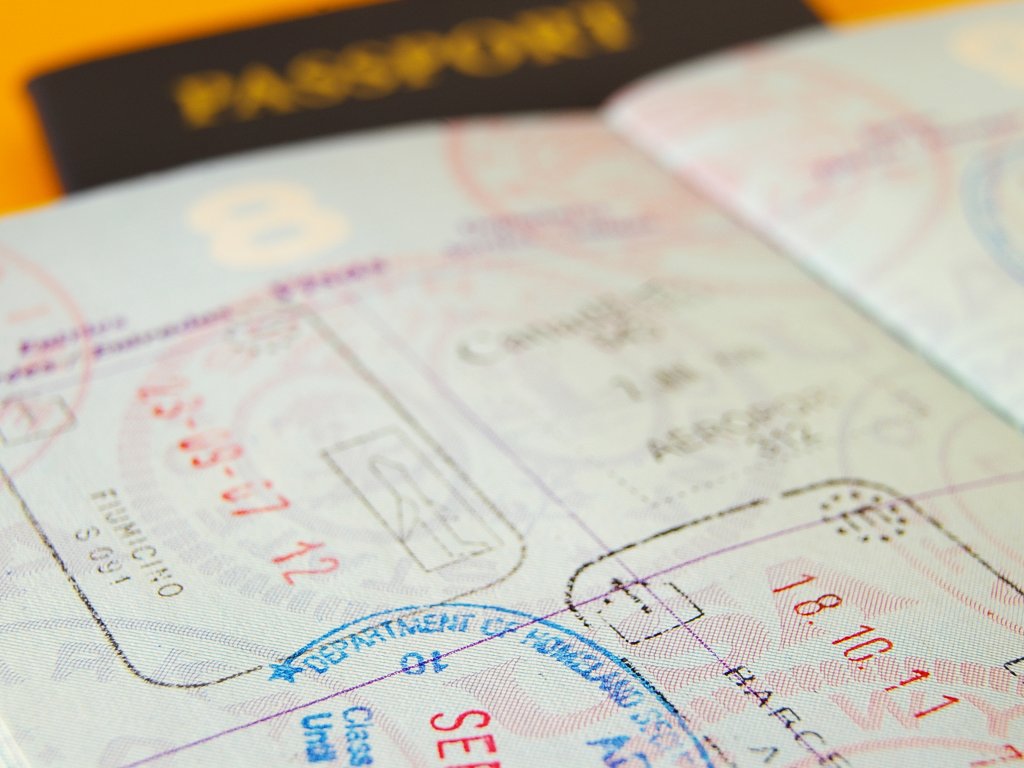
Passports look extremely similar throughout the globe – they are of similar size, they are designed nearly the same and they have a similar number of pages. This is because the League of Nations, an intergovernmental organization founded after the First World War to maintain world peace, agreed upon a set of standards for all passports issued by members of the League at the Paris Conference.
Prior to WW1, passports were not required to travel around Europe and border-crossing was very simple. However, the war changed everything. European governments had to limit the immigration and traveling for security reasons, leading to tougher border requirements.
After the war, the maintenance of the fragile security was the priority, but the lack of standardized documents featuring passenger data made the job of border guards very difficult.
Even if a passenger had all the required documents, doubt could arise as to their authenticity.
The Paris Conference on Passports & Customs Formalities and Through Tickets specified the size, layout, and design of travel documents for the 42 member nations of the League of Nations.
It proposed that passports should be 15.5cm x 10.5cm and must contain 32 pages — the first four detailing the holder’s appearance and personal details with the remaining 28 reserved for the visas of the countries for which the passport is valid.
It stated that all passports must be bound in cardboard, with the cover bearing the country’s name and coat of arms centered on it.
Although standards are now governed by the UN’s International Civil Aviation Organization (ICAO), the design and layout of passports have remained relatively unchanged for almost 100 years. The most notable changes to standards have been the introduction of watermarks and embedded electronic chips which contain biometric information.
Comments
Your comment
Most Important News
Full information is available only to commercial users-subscribers and it is necessary to log in.
Pratite na našem portalu vesti, tendere, investicione projekte, grantove i pravnu regulativu.
Registracija na eKapiji vam omogućava pristup potpunim informacijama i dnevnom biltenu
Naš dnevni ekonomski bilten će stizati na vašu mejl adresu krajem svakog radnog dana. Bilteni su personalizovani prema interesovanjima svakog korisnika zasebno,
uz konsultacije sa našim ekspertima.