


 Izdanje Srbija
 Serbische Ausgabe
 Izdanje BiH
 Izdanje Crna Gora


 News
News


Bank saving or stock market trading - Investing in state bonds yielding up to six times more than saving
 Tuesday, 24.05.2016.
10:34
Tuesday, 24.05.2016.
10:34
 Comments


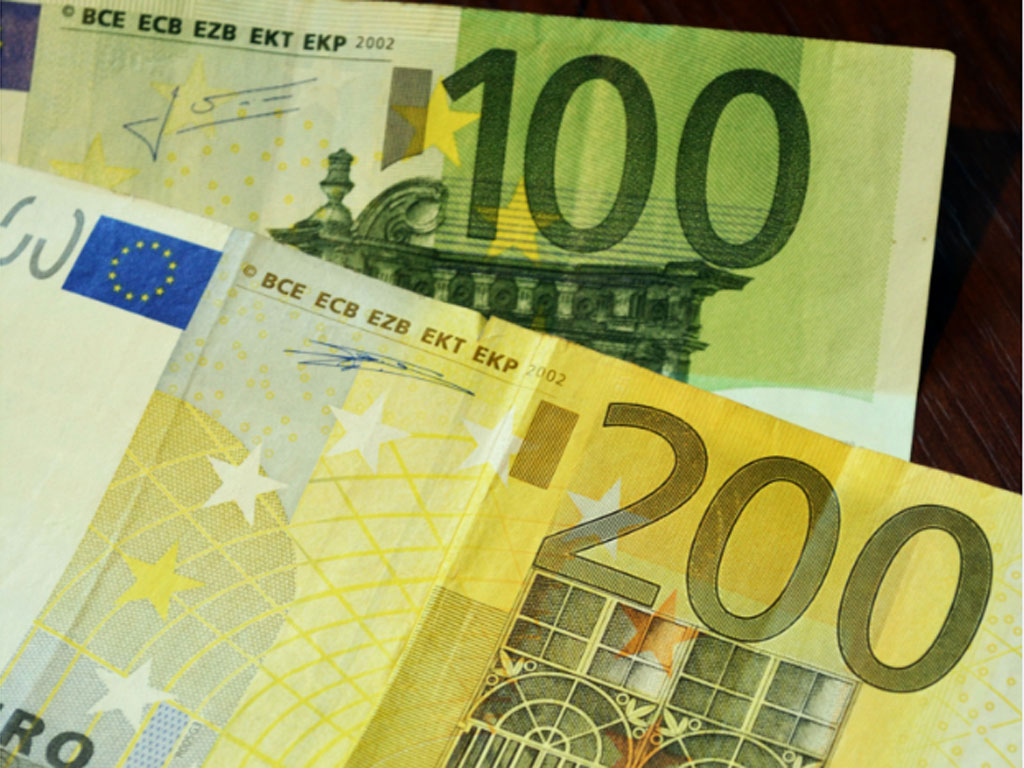
The calculation how each citizen can increase their savings by buying state bonds and why this means of saving money is far more lucrative than interests from bank savings goes like this: if you're saving money in a bank, you can earn a symbolic 4.25 EUR on each thousand euros invested for a year with the average interest of 0.5% and the calculated tax. If, however, you buy state bonds worth the same amount of money in euros, you will earn up to 30 EUR. Saving in dinars is similar: the yearly interest in banks is about 5%, while the interest from state bonds is over 8%.
Another good thing is that, in case of buying state bonds, the returns yielded based on them are free of tax, while there's a tax of 15% for bank savings in foreign curencies.
Exective Director of the “Sinteza Invest Group” brokerage, Miroslav Radakovic, says for “eKapija” that by far the biggest buyers of these bonds in primary issue are local business banks and insurance companies.
- They are the biggest traders at the stock market at the moment, if not the only one, and we're talking mostly pre-arranged transactions of large amounts of money. Only few citizens are interested in state bonds and only those denominated in euros. The interest is very weak, because of low liquidity, but also because of the still not atractive enough returns – says Executive Director of “Sinteza” for “eKapija”.
Still, Radakovic warns that it's more lucrative to keep money in state bonds than in bank savings, because the bank mediation in return of assets is eliminated that way.
How to buy bonds?
Buying bonds is slightly more complicated. In order to buy the primary issue of state bonds, a citizen set aside at least 5,000 EUR, for bonds in euros, or 50,000 RSD, for bonds deposited in local currency. This means buying when the Republic of Serbia puts its bonds on sale for the first time.
Citizens may not buy bonds by themselves. Instead, they first need to contact one of the broker dealers and sign with them an agreement about buying. The next step is opening an account in the bank where the money is being deposited and issuing a broker appointment letter. That transaction and the new ownership must then be registered in the Central Registry of Bonds. If the buyer of bonds wishes to sell their bonds before the record date, they are allowed to do so. The sale is made through the stock market, and the price depends on the current supply and demand.
The total expenses for citizens who wish to trade in the stock market are: stock market rate is 0.1%, Central Registry of Bonds fee is also 0.1%, while brokerer services are 0.1-1%.
For investors, this means that there's more to earn in bonds which accrue later. The interest is charged yearly, as is stated on bond coupons, while the nominal value of the bond is gained after the expiration of the record date.
The Executive Manager of “Sinteza Invest Group” Miroslav Radakovic estimates for “eKapija” that listing bonds on the market is a very smart move by the state, as it significantly eases the trade and improves the liquidity of these debt instruments. As he notes, it’s clear that the state should have made this move several years ago, but that “even this late decision should be supported.”
 Centralni registar HOV ad Beograd
 Ministarstvo finansija Republike Srbije
 BDD Sinteza Invest group a.d. Beograd
 Beogradska berza a.d. Beograd